Understanding Mini Split Air Conditioners
As climate change intensifies and summer temperatures continue to rise, finding effective and efficient cooling solutions has never been more important. Among the various options available, the mini split air conditioner stands out for its versatility and energy efficiency. This innovative cooling system has transformed how homeowners approach heating and cooling, providing tailored solutions that traditional HVAC systems often lack. In this comprehensive guide, we will delve into what mini split air conditioners are, their components, and how they compare to traditional systems.
What is a Mini Split Air Conditioner?
A mini split air conditioner, also known as a ductless mini split system, is a sophisticated heating and cooling solution that operates without ductwork. This type of system consists of two primary components: an outdoor unit and one or more indoor units. The outdoor unit is responsible for expelling heat from the space, while the indoor units cool or heat the air within a room. This setup allows for greater flexibility, making mini split systems ideal for various applications, including single rooms, small apartments, and large open areas.
Key Components and How They Work
The basic components of a mini split air conditioner include:
- Outdoor Unit: This houses the compressor and condenser. It absorbs heat from the inside air and releases it outside. The outdoor unit is designed to operate quietly and efficiently, making it suitable for residential neighborhoods.
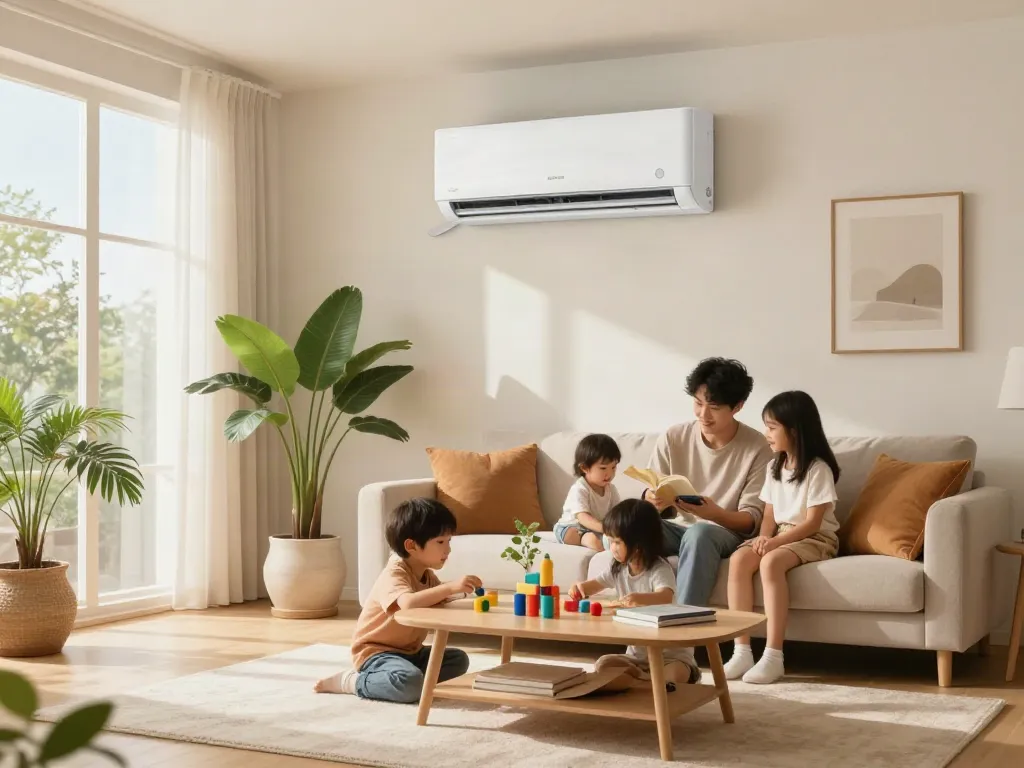
- Indoor Unit: Typically mounted high on a wall or ceiling, the indoor unit blows cool air into the room and can be controlled independently. Different designs are available, such as wall-mounted, ceiling-mounted, or floor-mounted models, depending on the space's requirements.
- Refrigerant Lines: These insulated pipes connect the indoor and outdoor units, carrying the refrigerant that absorbs and releases heat.
- Thermostat or Remote Control: These allow users to set desired temperatures and control the system effectively. Many modern systems now offer smart technology compatibility, enabling remote operation via smartphones.
Mini split systems operate using a heat pump technology, allowing them to provide efficient heating in winter and air conditioning in summer. The inverter technology commonly found in these units allows for variable speed operation, resulting in lower energy consumption and consistent indoor temperatures.
Mini Split vs. Traditional HVAC Systems
To understand why mini split air conditioners have gained popularity, it's essential to compare them with traditional HVAC systems:
- Installation: Mini splits are typically easier and less invasive to install, requiring only a small hole to connect the indoor and outdoor units. Traditional systems often require extensive ductwork.
- Energy Efficiency: Mini splits generally have higher SEER (Seasonal Energy Efficiency Ratio) ratings, signifying better energy efficiency compared to many central air conditioning systems.
- Cost: While the installation cost can be higher upfront for mini splits, long-term savings on energy bills often compensate for this initial investment.
- Control: Mini splits allow for zoning, meaning that different rooms can be heated or cooled independently, providing tailored comfort and efficiency.
Benefits of Installing a Mini Split Air Conditioner
Energy Efficiency and Cost Savings
One of the primary advantages of mini split systems is their energy efficiency. These units consume less energy than traditional HVAC systems due to their ability to operate at variable speeds, adjusting their output based on the room's cooling or heating needs. This efficiency translates to significant cost savings on monthly energy bills. In fact, homeowners can save between 30% to 40% on energy costs compared to traditional units, making mini splits a financially wise choice in the long term.
Flexible Installation Options for Different Spaces
Mini split systems are incredibly versatile, making them suitable for a wide range of spaces. Whether you live in a small apartment, a large home, or have a commercial property, the ability to install multiple indoor units connected to a single outdoor unit allows for customized climate control. Their compact size also means they can be installed in hard-to-reach areas, such as attics and basements, where traditional duct systems would be impractical.
Improved Indoor Air Quality and Comfort
Another significant benefit of mini split air conditioners is their ability to enhance indoor air quality. Unlike traditional HVAC systems, which can circulate dust, allergens, and pollutants through ductwork, mini splits feature advanced filtration systems that help purify the air. Additionally, the lack of ductwork minimizes the risk of mold growth, ensuring fresher and cleaner air in your living spaces. Coupled with their precise temperature control capabilities, mini splits offer unparalleled comfort year-round.
Common Challenges When Using Mini Split Air Conditioners
Addressing Installation Difficulties
While mini split air conditioners offer numerous benefits, there are challenges associated with their installation. Properly placing the indoor units is crucial for efficient airflow and temperature control. Homeowners should work with certified HVAC professionals to ensure that the system is installed correctly, especially when it comes to refrigerant line placement and sealing the units securely to prevent energy loss.
Maintenance and Repair Tips for Longevity
To ensure your mini split air conditioner operates efficiently over its lifespan, regular maintenance is essential. Here are some tips for maintaining your system:
- Clean or Replace Filters: Indoor unit filters should be cleaned or replaced every one to three months, depending on usage and air quality.
- Check Drain Lines: Regularly inspect and clear drain lines to prevent water buildup and leaks.
- Schedule Professional Maintenance: An annual inspection by a qualified technician can help identify and resolve potential issues before they require costly repairs.
Common Misconceptions Among Homeowners
Homeowners often have misconceptions about mini split systems, such as their noise levels or installation complexity. In reality, many modern systems operate quietly, with indoor units designed to minimize sound. Furthermore, while installation may seem daunting, professional help ensures that the system is set up efficiently and effectively.
Best Practices for Maximizing Performance
Regular Maintenance Routines for Your Mini Split
Establishing a regular maintenance routine is key to keeping your mini split air conditioner running at peak performance. In addition to regular filter cleaning, consider the following:
- Inspect outdoor units: Ensure that the outdoor unit is free of debris and vegetation to maintain airflow.
- Monitor refrigerant levels: A qualified technician should check the refrigerant levels during annual maintenance to ensure efficiency.
Optimal Temperature Settings for Efficiency
Setting your mini split air conditioner to an optimal temperature can greatly enhance efficiency. The Department of Energy recommends keeping your thermostat at 78°F when cooling. Each degree above this temperature can save you approximately 3-5% in energy costs.
Using Smart Technology to Control Your System
Many modern mini split systems come with smart technology features, allowing users to control their heating and cooling remotely via smartphone applications. This functionality not only enhances convenience but also enables homeowners to monitor their systems and adjust settings for optimal efficiency, even when away from home.
Future Trends in Mini Split Air Conditioning Systems
Emerging Technologies for Enhanced Efficiency
As technology advances, mini split systems are becoming more efficient and user-friendly. Innovations such as variable refrigerant flow (VRF) technology allow for enhanced control over multiple indoor units, making them even more energy-efficient and customizable.
Sustainability Practices in HVAC Innovations
The HVAC industry is increasingly shifting towards sustainable practices, and mini split air conditioners are at the forefront of this trend. Many manufacturers are adopting eco-friendly refrigerants and energy-efficient designs that adhere to stringent environmental regulations. This focus on sustainability not only benefits the planet but also aligns with the growing consumer demand for green technologies.
What to Expect in the Industry by 2026
Looking ahead, the mini split air conditioning market is expected to continue its growth trajectory. By 2026, we anticipate further advancements in energy efficiency, user interface designs, and integration with smart home technology. The increasing awareness of energy consumption and climate change will likely drive consumer preference toward mini split systems as a leading option for home heating and cooling.
What are the advantages of mini split air conditioners?
The advantages of mini split air conditioners include their energy efficiency, flexible installation options, improved indoor air quality, and customized climate control capabilities. These systems are suitable for a variety of spaces, allowing for tailored comfort that meets individual preferences.
How do I maintain my mini split air conditioner?
Maintenance of a mini split air conditioner involves regular cleaning or replacing of filters, inspecting drain lines, and scheduling professional tune-ups. Following these guidelines helps ensure the longevity and efficiency of the system.
Are mini split systems energy efficient?
Yes, mini split systems are known for their high energy efficiency, often featuring SEER ratings that outperform traditional HVAC systems. Their operation at variable speeds allows them to adjust to the cooling or heating needs, consuming less energy overall.
What is the average lifespan of a mini split air conditioner?
The average lifespan of a mini split air conditioner ranges from 15 to 20 years, depending on factors such as usage, maintenance, and the quality of the installation.
Can I install a mini split air conditioner myself?
While some individuals may attempt DIY installation of mini split systems, it is recommended to hire a professional. Proper installation is crucial for efficiency and safety, and professionals can ensure that local building codes and regulations are met.