








Understanding Blood Glucose Meters and Their Importance
In today’s healthcare landscape, the significance of managing blood glucose levels has become increasingly paramount, particularly for individuals living with diabetes. Blood glucose meters are essential devices that empower these individuals to monitor their glucose levels accurately, helping them make informed decisions regarding their health and treatment. Understanding how to utilize these meters effectively can substantially impact diabetes management, leading to better health outcomes and improved quality of life. When exploring options, blood glucose meter resources provide comprehensive insights into the selection of devices that suit individual needs.
What is a Blood Glucose Meter?
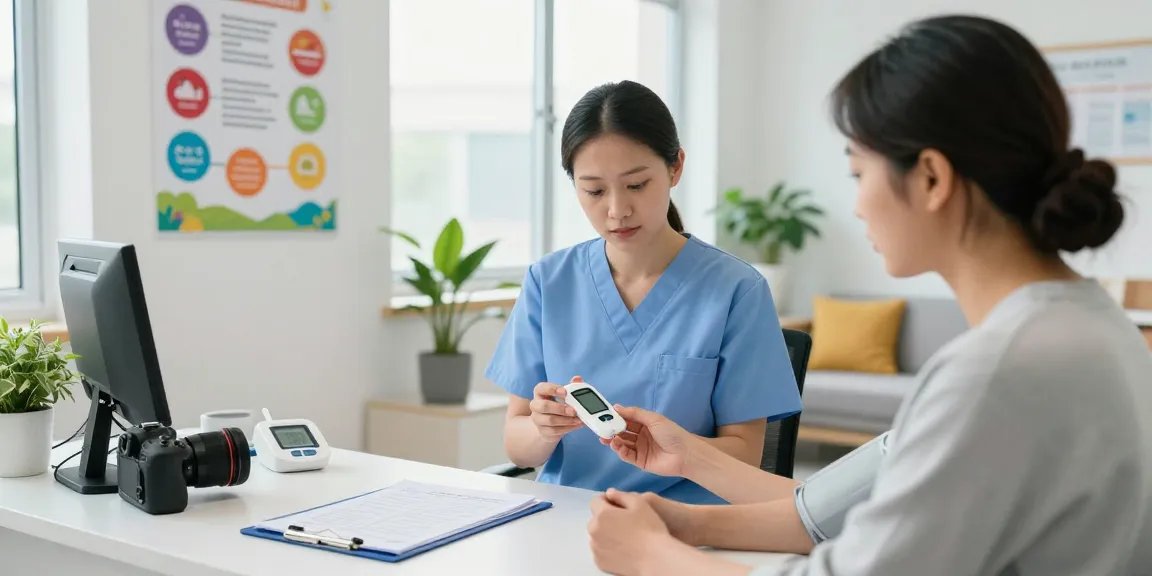
A blood glucose meter is a portable device that measures the concentration of glucose in a person’s blood. Typically, users obtain a small blood sample by pricking their fingertip with a lancet. The meter then processes the sample to provide an accurate reading of blood glucose levels, usually displayed in milligrams per deciliter (mg/dL) or millimoles per liter (mmol/L). These readings are critical for individuals with diabetes to manage their condition effectively, as they provide immediate feedback on how food, exercise, medications, and other factors influence blood sugar levels.
How Blood Glucose Meters Work
Blood glucose meters operate on various technologies, including electrochemical, photometric, and enzymatic methods. The most common type today is the electrochemical meter, which uses an enzyme to convert glucose in the blood sample into an electric current. The intensity of this current correlates with the glucose concentration, allowing the device to calculate and display the blood glucose level. Users benefit from the simplicity and speed of this method; most meters provide results within seconds, making it a convenient option for daily monitoring.
The Role of Blood Glucose Monitoring in Diabetes Management
Regular blood glucose monitoring is fundamental for diabetes management. It enables individuals to understand how their bodies respond to various factors such as diet, physical activity, and medication. By tracking these levels, users can identify patterns and make necessary adjustments. This proactive approach can help prevent complications such as hypoglycemia (low blood sugar) and hyperglycemia (high blood sugar), both of which can lead to serious health issues over time.
Choosing the Right Blood Glucose Meter
Selecting the right blood glucose meter is crucial for effective diabetes management. Different models offer various features, levels of accuracy, and user-friendly interfaces. As such, individuals need to consider their personal preferences and health requirements when choosing a device. Factors such as ease of use, display readability, and memory capabilities should be evaluated.
Types of Blood Glucose Meters Available
There are several types of blood glucose meters available on the market, including:
- Standard Meters: Basic models that provide quick glucose readings and often include memory storage for past readings.
- Smart Meters: These connect to smartphones or tablets via Bluetooth, allowing users to track their glucose levels through dedicated apps, which often offer additional features such as data visualization and sharing options.
- Continuous Glucose Monitors (CGMs): Advanced devices that measure glucose levels continuously throughout the day, providing real-time data and alerts for hypo- or hyperglycemia.
Key Features to Look For
When selecting a blood glucose meter, consider the following key features:
- Accuracy: Look for meters that have been clinically validated for accuracy.
- Ease of Use: Meters should be user-friendly, especially for those with limited dexterity.
- Memory Capacity: Devices that store past readings help in tracking trends over time.
- Test Strip Cost: Compare the cost of test strips, as this can significantly impact long-term costs.
- Data Sharing: Some devices allow users to share data with healthcare providers for more tailored diabetes management.
Comparing Meter Accuracy and Reliability
Accuracy is one of the most critical factors in choosing a blood glucose meter. Meters are often evaluated based on their Mean Absolute Relative Difference (MARD), which measures how close a meter’s readings are to laboratory results. It’s recommended to select devices with a MARD of less than 10%, ensuring that the readings are reliable enough for effective diabetes management. Reading reviews and consulting with healthcare professionals can also provide valuable insights regarding a meter’s accuracy and reliability.
Best Practices for Using a Blood Glucose Meter
Using a blood glucose meter effectively involves following best practices to ensure accurate results and maintain the device properly. Users should familiarize themselves with their specific device and adhere to recommended testing protocols.
Step-by-Step Guide to Proper Usage
- Wash your hands thoroughly with soap and water to avoid contamination.
- Insert a new test strip into the meter.
- Use a lancet to obtain a small blood sample from the fingertip.
- Apply the blood sample to the test strip and wait for the reading.
- Record the result and any relevant information, such as the time and what you ate.
Common Mistakes to Avoid
To ensure accurate readings, users should avoid the following common mistakes:
- Not washing hands prior to testing, which can lead to inaccurate results due to residual substances on the skin.
- Using expired test strips, which can compromise accuracy.
- Not calibrating the meter if required by the manufacturer.
- Ignoring control solutions that verify meter accuracy.
Interpreting Your Results Accurately
Understanding blood glucose readings is crucial for effective diabetes management. Generally, fasting blood glucose levels should be between 70 and 130 mg/dL (3.9 to 7.2 mmol/L), while postprandial levels (after meals) should be less than 180 mg/dL (10.0 mmol/L). Users should consult with healthcare professionals to establish personalized targets based on their condition and treatment regimen.
Innovations and Trends in Blood Glucose Monitoring for 2026
The landscape of blood glucose monitoring is rapidly evolving, with innovations that aim to enhance user experience and improve health outcomes. As technology continues to advance, understanding these trends can help individuals stay informed and prepared for future developments in diabetes management.
Emerging Technologies in Blood Glucose Meters
Innovations such as non-invasive meters are being developed, which promise to eliminate the need for blood samples altogether. These devices may use techniques such as spectroscopy or bioimpedance to measure glucose levels, offering a pain-free alternative for users. Continued research in this area could revolutionize the way individuals monitor their glucose levels.
Smart Meters and Mobile Health Integration
Smart meters that synchronize with mobile applications are gaining popularity. They enable users to track their glucose levels over time and provide insights into their patterns. This integration with health apps allows for enhanced data analysis, making it easier for users to share information with healthcare providers and receive tailored treatment recommendations.
Future Trends in Diabetes Management
As we approach 2026, we can expect continuous improvement in diabetes management technologies. The integration of artificial intelligence (AI) in glucose monitoring is likely to offer predictive analytics, helping users anticipate changes in their glucose levels based on their activities and dietary choices. Additionally, advancements in telemedicine will facilitate better communication between patients and healthcare providers, enabling real-time adjustments to treatment plans.
Frequently Asked Questions About Blood Glucose Meters
How often should I test my blood glucose?
The frequency of testing depends on individual health needs, medication regimen, and doctor recommendations. Some patients may need to test several times a day, while others may require less frequent monitoring.
What should I do if my reading is high or low?
If readings are consistently high or low, it is essential to consult a healthcare provider to adjust medication, diet, or lifestyle accordingly. Keeping a log of readings can help illustrate trends and assist in determining necessary changes.
Can I use a blood glucose meter without a prescription?
Most blood glucose meters are available over the counter and do not require a prescription. However, it is advisable to consult with a healthcare professional to choose the right meter and establish a testing routine.
Are there differences between brand-name and generic meters?
While both brand-name and generic meters can be effective, the quality, accuracy, and cost of test strips can differ significantly. Users should research and compare meters to find the best option for their needs.
How do I clean and maintain my blood glucose meter?
Regular cleaning is crucial for maintaining meter accuracy. Users should follow the manufacturer’s guidelines for cleaning and storing the meter, ensuring that it remains free of contaminants that could affect readings.